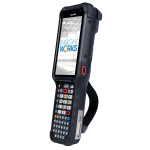
Hardware for Advanced Inventory Count

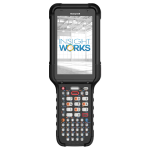
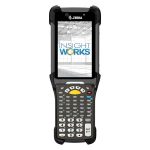
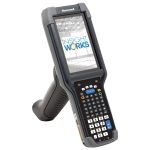
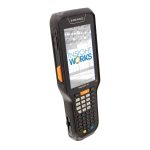
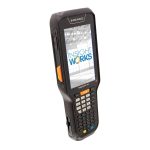
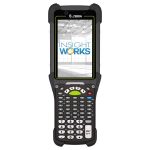
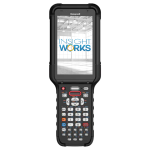
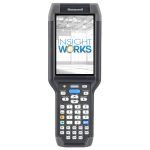
Selecting the appropriate hardware for Advanced Inventory Count is crucial for maximizing the efficiency of your inventory management processes. This flexible, cloud-based Microsoft Dynamics 365 Business Central application elevates supply chain functionality with precise inventory counting and seamless mobile device integration. It fully supports Android-based handheld devices from leading manufacturers such as Datalogic, Honeywell, and Zebra.

There are five primary factors to consider when choosing a mobile computer. These are:

Ruggedness

"Rugged" mobile computers are designed to withstand harsh conditions, including extreme temperatures, moisture, and impacts.

Scan Range

"Scan range" refers to the distance at which a scanner can accurately read barcodes or QR codes.

Camera

In mobile computers, "camera" refers to the device's imaging component used for capturing photos, scanning barcodes, and enabling augmented reality applications.

Form Factor

"Form factor" refers to the size, shape, and design of a mobile device, influencing its usability and compatibility in various environments.

Price

The price of a mobile device is influenced by specific features such as ruggedness, scan range, camera, and form factor.

Please check out the “How to Choose a Mobile Computer to use with Business Central” article to dive deep into understanding these factors. Alternatively, you can watch our “How to Choose Barcode Scanners for Business Central” video.

Mobile Computer Recommendations

Recommended

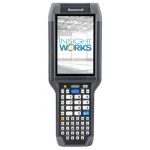
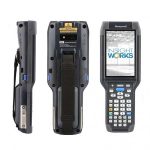
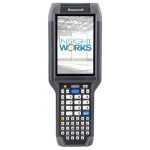
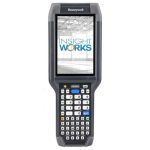
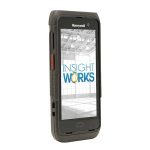
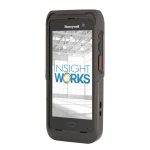
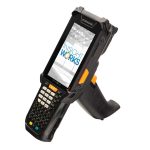
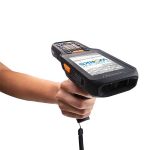
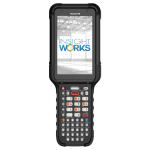
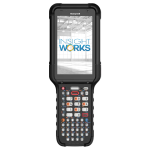
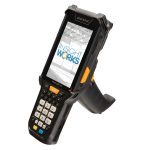
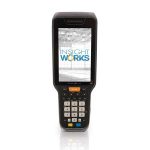
To improve your usage of the Advanced Inventory Count app alongside Business Central, we advise employing commercial-grade mobile computers from renowned brands such as Datalogic, Zebra, and Honeywell. Here’s why:

  • High Durability: Resists wear and tear in tough environments.
  • Long-term Performance: Built to last, reducing the need for frequent replacements.
  • Enhanced Protection: Designed to withstand drops, dust, and moisture.
  • Reliable Operation: Consistent performance under various conditions.
  • Maintenance Support: Often includes robust support and service plans.
  • Industry Compliance: Meets relevant safety and operational standards.
  • Form Factor: Choose the design that fits your workflow.
  • Camera vs. Scan Engine: Equipped with scan engines for superior barcode scanning efficiency.
  • Scan Range: Options for various scanning distances.
  • Ruggedness: Devices that withstand tough conditions.
  • Battery Life: Batteries that will get you through an entire shift.
  • Price: Solutions to fit every budget
  • Speed: Quick, accurate scans to keep operations moving.
  • Off-Axis Scanning: Flexibility to scan barcodes from different angles.
  • Dirty Barcodes: Read barcodes in less-than-ideal conditions.
  • Lighting Conditions: Perform in a variety of lighting environments.
  • Distance: Scan from close to long range depending on model.

NOT Recommended

While identifying the ideal tools for inventory management is crucial, understanding which options to exclude is just as important. Insight Works recommends against the following device choices for the Advanced Inventory Count app due to their limitations in an inventory setting:

  • Inefficiency: A cumbersome setup that hinders mobility and productivity.
  • Ergonomic Issues: Difficult to operate with one hand on the scanner and the other on a laptop or tablet, leading to potential strain and inefficiency.
  • Sightline Problems: Fixed computers or tablets on carts often keep the screen out of direct line of sight, complicating task confirmation.
  • Inadequate Scanning: Lacking dedicated scan engines, relying on camera for barcode processing which can be slow and unreliable.
  • Durability Concerns: Not built to withstand the drops and rough handling typical in warehouse environments. Mobile computers offer 4′ to 10′ drop durability depending on the model.
  • Ergonomic Shortfalls: Non-ergonomic design can lead to soreness and fatigue after extended use.
  • Limited Durability: Less resistant to rough conditions.
  • Performance Issues: May struggle under intensive warehouse operations.
  • Compatibility Concerns: Challenges with integrating specialized warehouse hardware.
  • Less Customization: Fewer options for industrial-specific tweaks.
  • Security Risks: Potentially inadequate for stringent data protection needs.
  • Support Limitations: May lack specialized technical support for industrial use.
  • High Compatibility: Android boasts extensive compatibility with commercial and warehouse applications, offering a robust platform for a variety of operational needs.
  • Industry Preference: The shift reflects a broader industry trend towards Android due to its adaptability and support for specialized applications.
  • Limited iOS Support: Unlike Android, iOS has shown limited compatibility with the specific needs of commercial and warehouse applications, impacting its viability as a choice for these settings.

Tablet Pros and Cons

While mobile computers are the preferred choice for Advanced Inventory Count users, there are innovative scenarios where tablets can offer distinct benefits. When mounting a tablet to a cart or forklift enhances operational efficiency, the versatility of tablets can be fully exploited. These configurations enable workers to free their hands for more efficient counting and maneuvering, though they also entail particular considerations.

Pros of using a tablet

  • Lower Initial Cost: Tablets are cheaper than rugged devices.
  • Reduced Replacement Costs: Less expensive to replace.
  • Economical for Scaling: Affordability aids business expansion.
  • Versatile Use: Handles multiple functions.
  • Availability: Easily available with bulk discounts.
  • Minimal Training Required: Familiar interfaces reduce training.
  • Clearer Data Display: Larger screens show detailed WMS data more clearly.
  • Improved Access: Easy viewing of picking lists, item locations, and inventory levels.
  • Better Decision-Making: Clear data presentation aids quicker, informed decisions.
  • Increased Efficiency: Accessible operational instructions streamline tasks.

  • User-Friendly: Intuitive interfaces enhance user interaction and productivity.

Cons of using a tablet

  • Requires Scanners: Tablets often need handheld scanners for barcode scanning.
  • Limited Mobility: Scanners restrict user movement to a certain range from the tablet.
  • Additional Equipment: Necessitates carrying extra devices, increasing physical burden.
  • Setup Complexity: More gear to set up and maintain.
  • Increased Costs: Additional expenses for purchasing and managing scanners.
  • Training Needs: Users must learn to operate both tablets and scanners effectively.
  • Variable Visibility: Screen viewability can vary with environmental conditions and mounting.
  • Ergonomic Risk: Improper setup may cause physical strain or injury over time.
  • Adjustment Needs: May require frequent repositioning for optimal viewing.
  • Long-Term Use: Extended use without ergonomic support can lead to discomfort.
  • Mounting Limitations: Fixed positions can restrict optimal screen alignment.
  • Eye Strain: Prolonged viewing of poorly positioned screens can cause eye fatigue.
  • Accessibility Issues: May not accommodate all users’ ergonomic needs effectively.
 
  • Limited Reach: Tablets must stay within view and reach, restricting mobility.
  • Cart Dependency: Requires moving a pick cart to each location, impractical in some layouts.
  • Forklift Specific: Benefits are confined to forklift operations, not manual picking.
  • Layout Constraints: Not suitable for all warehouse designs.
  • Task Restriction: Doesn’t support a range of manual tasks.
  • Efficiency Impact: Can slow down operations where mobility is crucial.
  • Accessibility Issues: May be hard to access in dense or complex storage areas.

Label Printers

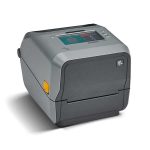
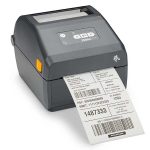
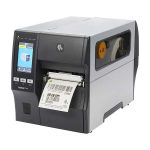
For users of the Advanced Inventory Count app, printing barcode labels for products or packages is crucial. When selecting hardware for this function, it is important to choose a label printer that matches your operational requirements.

Label printers differ in price and features, including wireless connectivity, compatibility with various label stocks, and color or monochrome printing options.

Insight Works provides a carefully selected range of label printers compatible with the Advanced Inventory Count app.